Sustainable Architecture Trends: Building Green in 2026

The Green Building Revolution
In 2026, sustainable architecture trends are no longer a niche interest; they are the standard for modern urban development. As climate change intensifies, architects are integrating nature with technology to create ‘Carbon-Positive’ buildings. These structures don’t just reduce damage; they actually contribute to the environment by generating more energy than they consume.
1. Biophilic Design and Vertical Forests
Biophilic design focuses on connecting occupants with nature. In 2026, we see more ‘Vertical Forests’—high-rise buildings covered in trees and shrubs that purify the air, reduce noise, and lower the building’s temperature naturally.
2. Smart Glass and Adaptive Facades
Modern facades now change transparency based on the sun’s position. This reduces the need for artificial cooling and lighting, making it a cornerstone of sustainable architecture trends in 2026.
3. Using Recycled and Low-Carbon Materials
From ‘Hempcrete’ to recycled plastic bricks, the materials used in 2026 are focused on reducing the ‘Embodied Carbon’ of a building. Cross-Laminated Timber (CLT) is also replacing steel in many mid-rise projects.
The Impact on Property Value
Green-certified buildings now command 15-20% higher resale values due to lower utility costs. Check our blog page for more real estate insights. You can also share your home renovation ideas on our user blog portal.
Conclusion
Sustainable architecture is about harmony. By merging smart tech with natural elements, we are building cities that are resilient, healthy, and beautiful for future generations.
Frequently Asked Questions (FAQs)
Q1: Is sustainable building more expensive?
Upfront costs can be 5-10% higher, but the long-term savings on energy and water bills make it cheaper over the building’s lifecycle.
Q2: What is a Net-Zero building?
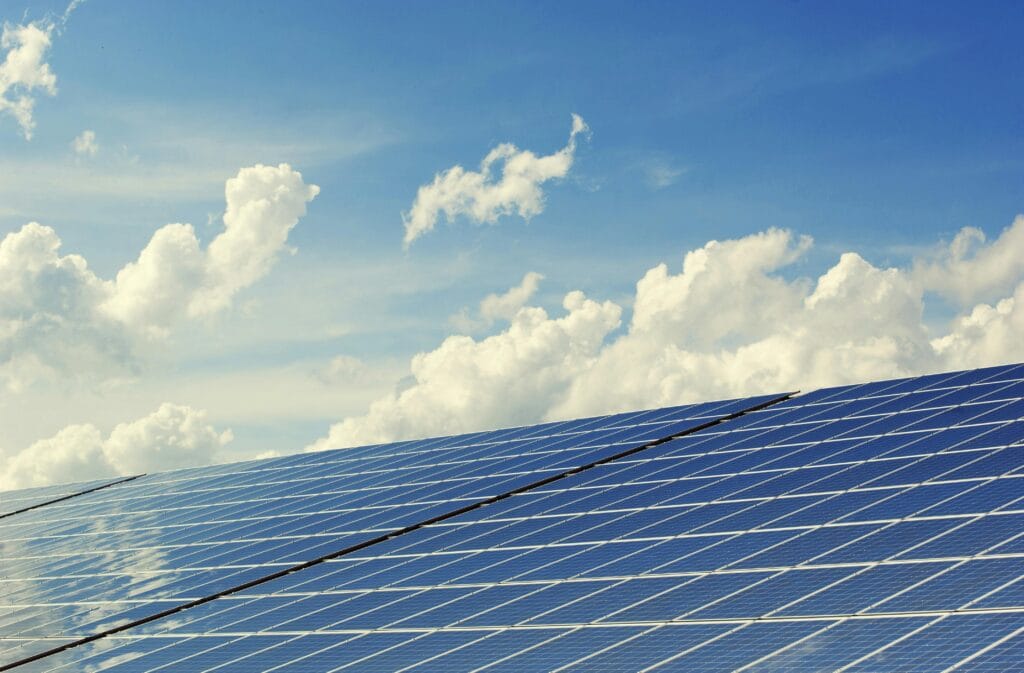
A building that produces as much energy as it uses over the course of a year, usually through solar panels and high efficiency.
Q3: Can I make my existing home sustainable?
Yes, through ‘Retrofitting’—adding insulation, solar panels, and smart thermostats to improve an old building’s efficiency.
Responses